Honest, evidence-based guidance for breast cancer survivors, drawn from Laurie's published articles and from In the Pink. No miracle foods. No fear. Just the steady habits that add up to better health.
the truth first
No single food fights cancer
After treatment, survivors are often hounded with advice from friends, family, coworkers and social media: eat this to fight cancer, never eat that, try this supplement. It is no wonder so many women don't know what or whom to believe.
Laurie starts with an honest truth: no single food or food group fights cancer. However, adopting a plant-based, anti-inflammatory eating style is using food as medicine in its purest sense. Eating a variety of fruits and vegetables, healthy fats, fewer sugars and refined grains, more plant proteins and little or no alcohol adds up to a solid approach to better health, and potentially a lower risk of recurrence.
Research shows that a healthful, plant-based diet plus increased physical activity is a powerful one-two punch. Together, healthy food and safe exercise are strong medicine.
"Together, healthy food and safe exercise are strong medicine!"
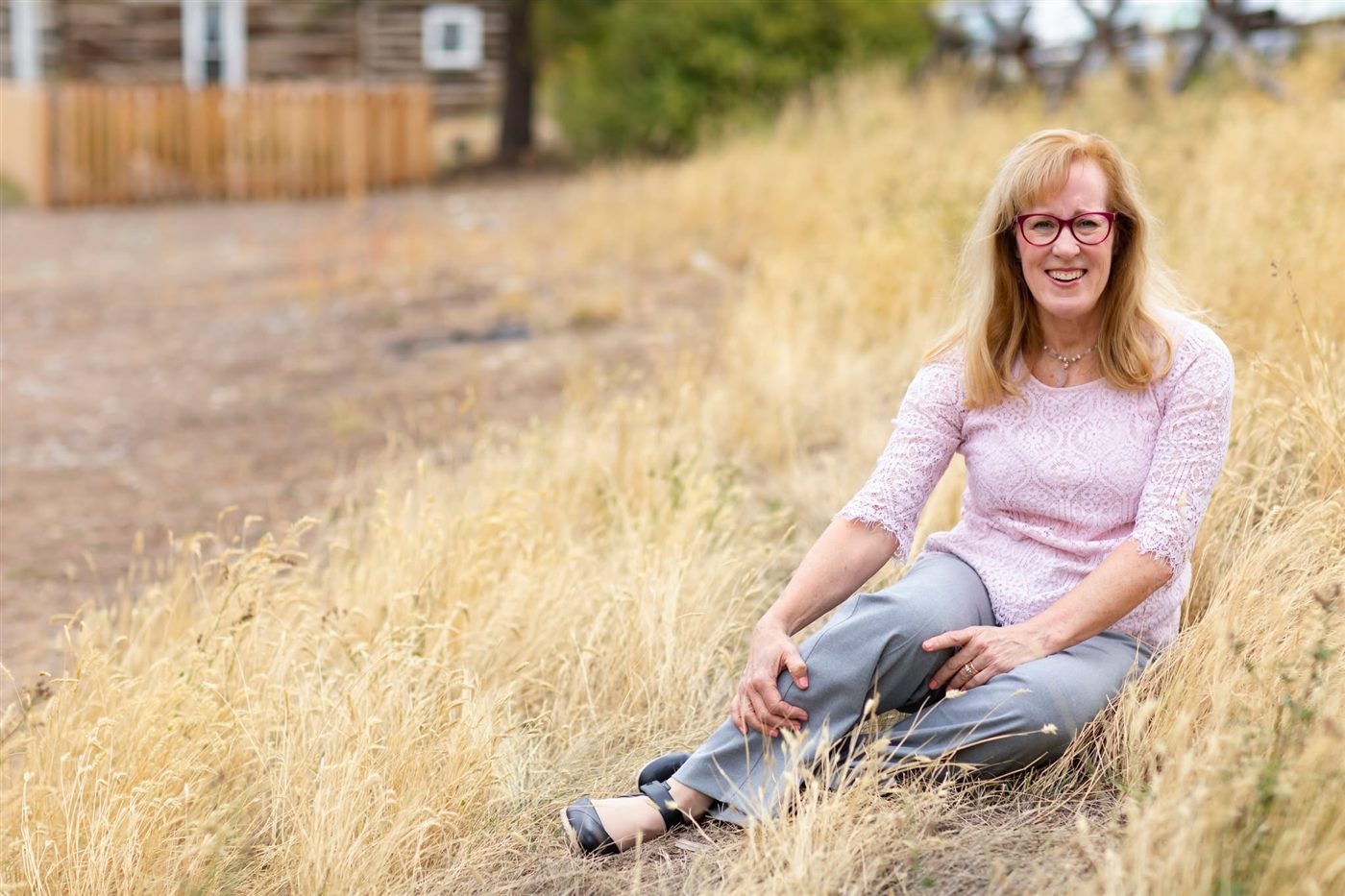
Laurie Hatch, MS, RD, CSO
question one
"What should I eat to help avoid a recurrence?"
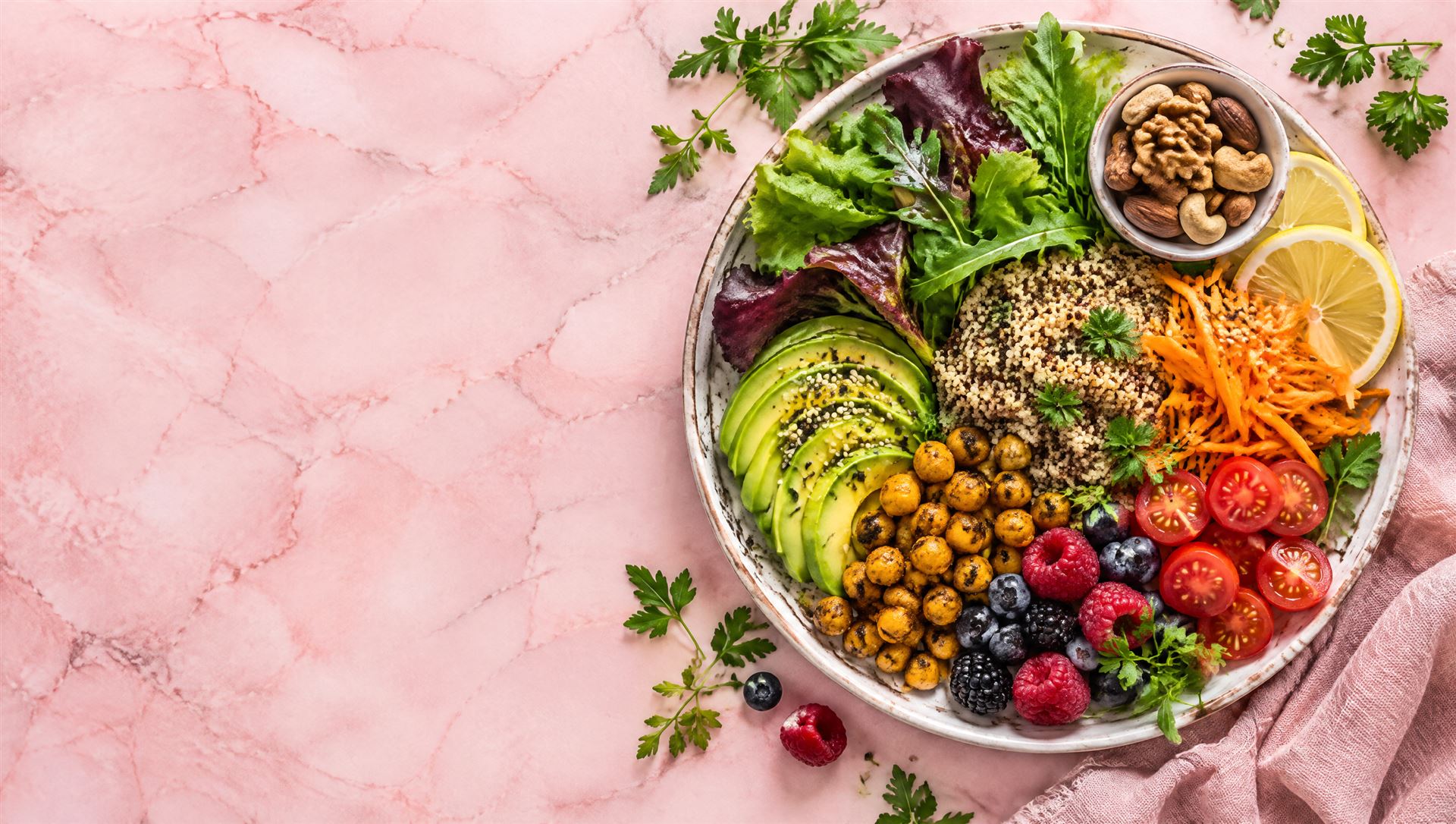
The anti-inflammatory diet is talked about everywhere, yet the details are hard to pin down. Tap each part of the plate to see the five patterns Laurie describes.
Auto-playing · hover to pause
Plant-based meals with fewer animal proteins
Build more meals around beans, lentils, whole grains, nuts and vegetables, and let animal proteins play a smaller part. Plant proteins bring fiber and a wide range of nutrients along with them.
Fewer refined sugars and grains
Reducing added sugars and refined grains does not mean giving up treats. It means choosing whole grains more often and enjoying sweets in lighter, fruit-forward ways.
Fruits and vegetables at the center
Emphasize a colorful variety of fruits and vegetables. Seasonal fruits like peaches, nectarines and apricots, for example, are high in vitamin A and fiber.
Balance the types of oils you use
Healthy fats matter. The goal is balance: favor healthier oils and fats, and use them thoughtfully rather than fearfully.
Limit or avoid alcohol
Laurie's guidance is to limit alcohol or avoid it altogether, one of the simplest and most meaningful changes on the list.
Laurie describes the anti-inflammatory diet as "not actually a diet but rather a collection of eating patterns". The Mediterranean diet is one example of this plant-based, anti-inflammatory style.
question two
"I know I need to lose weight, but I feel overwhelmed."
Many survivors gain weight during or after treatment, and many feel overwhelmed about where to start. Laurie understands. Being overweight may increase the risk of additional cancers and other weight-related diseases, and with an estrogen-positive breast cancer, extra weight can put survivors at higher risk of recurrence.
The good news is that you don't need a dramatic transformation. Setting a small goal is often exactly what gives you a jumpstart. Recent research suggests that a modest weight loss of six to ten percent of your total body weight can effectively lower the risk of recurrence and of other diseases.
With a plant-based eating plan, a commitment to small, measurable, realistic food changes and more movement in your day, that goal is attainable for most people.
Before beginning any weight loss plan, Laurie advises that survivors be fully recuperated from treatment and check with their doctor first.
A feather, not a hammer: small, steady changes
6-10%A modest, realistic weight-loss goal that research links with a lower risk of recurrence.
question three
"What about my bones on anti-hormonal medication?"
Many survivors take an anti-hormonal medication for years, and some, like aromatase inhibitors, can lead to bone loss. That makes bone health a priority.
Women ages 51 to 70 should aim for the recommended 1,200 milligrams of calcium each day, roughly three daily servings of dairy foods. It sounds simple, but many women fall short, especially when they are trying to reduce calories.
Laurie's approach is beautifully practical: count what you already eat, and fill only the gap. And because taking a supplement you don't need is not recommended, check with your doctor before adding one.
Count what you already eat, then fill only the gap
Adding up 1,200 mg of calcium
Laurie's simple daily math for women ages 51 to 70:
2 servings of a dairy drink or calcium-fortified orange juice600 mg
A well-balanced, plant-based diet300 mg
Food or a supplement, if your doctor agrees300 mg
Daily goal1,200 mg
Five to ten minutes at a time, one step after another
Building toward 150 minutes
Start with short bouts of five to ten minutes, up to three times a day, then grow gradually.
Start
5-10 min
A few times a day
up to 3x
Each week
150 min
Then, with your doctor's okay, add resistance exercises to help build muscle mass and bone density.
question four
"How do I start exercising again, safely?"
Gym memberships often lapse during treatment, and side effects such as fatigue, numbness in the feet and hands, shoulder and arm tightness and lymphedema can make exercise feel out of reach.
A safe place to begin is a referral from your doctor to a physical therapist or a cancer exercise trainer, professionals who understand how treatment side effects raise the risk of injury and who can build a plan around your specific challenges. Professional guidance is especially important if you have neuropathy.
If you have no limitations and your doctor gives the all-clear, try gradually increasing gentle movement: walking, gardening, cleaning the house, dancing or water walking. Even a little exercise is far better than none. The key is to find something you enjoy, or at least can tolerate, and stick with it.
food is memories & comfort
Healthy eating without giving up what you love
In her Breast Cancer Wellness Magazine article More than Nutrition: Food Is Memories and Comfort, Laurie offers a heartfelt reminder: nourishment is about more than what is on your plate.
Food is deeply woven into our identities, memories and relationships. Cherished family recipes and comforting cultural dishes can remain part of a healthy, sustainable approach to wellness. Rather than restriction, Laurie suggests small, thoughtful changes, such as choosing whole grains, reducing added sugar or incorporating leaner proteins, that preserve the flavors and traditions you love.
Cherished recipes stay on the table, just a little lighter
Whole grains
Swap in whole grains for refined ones in the dishes you already love.
Less added sugar
Keep dessert, and make it lighter and fruit-forward.
Leaner proteins
Choose leaner proteins and more plant proteins, a little at a time.
Keep traditions
Honor the meals that connect you to the people and places you love.
published writing
Read Laurie's articles
Laurie writes for magazines that serve the cancer community.
the voice behind the articlesA survivor's heart, a dietitian's know-howEvery article Laurie writes blends evidence-based nutrition with the lived experience of breast cancer, so survivors get answers they can trust and actually use.
Coping with CancerSurvivor Mode
Coping with Cancer magazine · November 2023
Four Things You Should Know about Getting Back to Healthier Living After Breast Cancer Treatment
Through the story of "Charlene", a survivor celebrating one year with no evidence of disease, Laurie answers the four questions survivors ask most: what to eat, how to approach weight, how to protect bone health and how to return to exercise safely.